SEQUENTIAL CIRCUITS 02541 Tom Voice Drum Pcm 12BIT
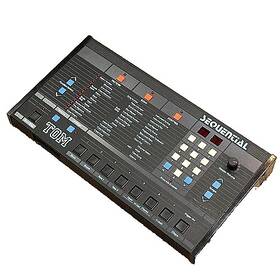
( Brand: Sequential Circuits ), ( Manufacturer Part Number: 02541 ), ( Input/output Ports: Na ), ( Midi: Din Out ), ( Analog/digital: Digital With Some Analog Features ), ( Material: Metal, Plastic, Na ), ( Type: Drum Machine ), ( Country: Usa ), ( Features: Programmable, Na, 12bit ), ( Experience Level: Advanced ), ( Country Of Origin: United States )
Review SEQUENTIAL CIRCUITS Tom Voice Drum Machine 12bit Pcm
The **Sequential Circuits 02541 Tom Voice Drum** is a legendary analog percussion module that stands as a cornerstone of electronic music production, embodying the raw, punchy character of the late 1980s synth-pop and hip-hop eras. Released in 1985 as part of Sequential Circuits groundbreaking **Prophet 600** and **Prophet 600S** synth families, this 12-bit PCM-driven drum machine was designed to deliver a crisp, digital yet organic drum sound that became synonymous with the sound of early electronic beats. Unlike its more famous cousin, the **Prophet 600**, which focused on analog synthesis, the Tom Voice Drum was specifically engineered to capture the tight, resonant snare and tom sounds that defined the drum programming of artists like Prince, The Human League, and early hip-hop producers. Its **12-bit PCM (Pulse Code Modulation) sampling technology** allowed for precise digital reproduction of acoustic drums, though with a slightly grainier, less pristine quality compared to modern 24-bit samples this imperfection added to its distinctive character, giving it a warm, slightly lo-fi warmth that has since become highly sought after.
The **02541 Tom Voice Drum** features a **single voice** dedicated to tom sounds, offering a selection of four distinct tom pads each with its own unique tonal coloration ranging from deep, resonant low toms to bright, snappy high toms. The module s **analog-style controls** include a **pitch bend wheel**, **filter cutoff knob**, and **resonance adjustment**, allowing for subtle tonal shaping that can add movement and expression to the drum sounds. The **sequencer** is a classic Sequential design, featuring **16-step programming** with a **real-time step editor**, making it ideal for creating tight, rhythmic patterns with a human feel. The **clock input** allows for synchronization with other Sequential modules or external sequencers, ensuring seamless integration into larger electronic setups. While not as versatile as a full drum machine, the Tom Voice Drum excels in providing a **focused, punchy tom sound** that can cut through a mix with authority, making it a favorite among producers looking to add a touch of vintage analog grit to their beats.
Visually, the **02541** follows Sequential s signature minimalist aesthetic, with a **black front panel** featuring a single row of **LED indicators** for step sequencing and a **small display** for pitch and filter settings. The **knobs and sliders** are tactile and responsive, offering a satisfying analog feel despite the digital nature of the samples. The module s **compact size** (measuring approximately **12.5" wide x 3.5" deep**) makes it ideal for rack-mounted setups, fitting seamlessly alongside other Sequential modules like the **Prophet 600** or **Prophet 600S**. While it lacks the polyphony of a full drum machine, its **dedicated tom focus** makes it a specialized yet powerful tool for producers seeking that **authentic 1980s drum machine sound** one that bridges the gap between analog warmth and digital precision.
Today, the **Sequential Circuits 02541 Tom Voice Drum** remains a **highly coveted collector s item**, prized for its **rare sound and historical significance** in the evolution of electronic music. Whether used in its original form or emulated in modern software plugins, its **distinctive tom tones** continue to inspire producers across genres, from hip-hop and electronic to ambient and experimental sound design. For those seeking to capture the **essence of 1980s drum programming**, the Tom Voice Drum is an indispensable piece of gear one that delivers **unmatched authenticity, raw energy, and a touch of retro magic** to any electronic production.
The Sequential Circuits Pro One (model 02541, known as the "Tom Voice Drum" or "Tom Drum") is a classic 12-bit PCM drum machine from 1985. Below is a detailed breakdown of its pros and cons, followed by a conclusion and recommendation.
---
### **Pros**
1. **Iconic Sound and Legacy**
The Pro One is one of the most influential drum machines ever made, famously used in hits like "Like a Prayer" (Madonna), "Every Breath You Take" (The Police), and countless hip-hop, pop, and electronic tracks. Its distinctive 12-bit PCM samples particularly the "tom" sounds are instantly recognizable and highly sought after for vintage warmth and character.
2. **Versatile Sound Library**
The machine includes a wide range of drum and percussion sounds, including toms, snares, kicks, hi-hats, shakers, and even ambient textures. The "tom" sounds, in particular, are prized for their rich, resonant tone, which many producers find harder to replicate with modern gear.
3. **Sequencer and Performance Features**
The Pro One features a built-in 16-step sequencer with pattern chaining, velocity control, and swing (groove) settings. It also includes a "Tom Voice" mode, which allows for expressive, human-like variations in the tom sounds, adding organic feel to rhythms. The machine supports MIDI, making it easy to integrate with modern DAWs or other MIDI devices.
4. **Durability and Build Quality**
As a product from the 1980s, the Pro One is built to last. Many units in good condition can still function reliably after decades of use, though wear and tear (e.g., worn-out pads, fading samples) is common in older models.
5. **Cult Following and Resale Value**
Due to its historical significance, the Pro One holds value in the secondhand market. Well-preserved units can sell for hundreds or even thousands of dollars, especially if they include original documentation or rare variants (e.g., the "Tom Drum" model with additional sounds).
6. **Aesthetic and Nostalgia Factor**
The Pro One s retro design, with its analog knobs, LED displays, and tactile buttons, appeals to collectors and producers who appreciate vintage gear. Its presence on a studio rack adds a nostalgic touch to any setup.
7. **Compatibility with Modern Workflows**
While the Pro One is analog in nature, its MIDI implementation is straightforward. You can trigger its sounds from a DAW, use it as a standalone sequencer, or even sample its outputs for further processing. Some users also run it through effects pedals or synths for creative manipulation.
8. **Unique Textural Characteristics**
The 12-bit PCM samples introduce subtle quantization and aliasing artifacts that many producers find desirable for adding a "vintage" or "lo-fi" texture to their tracks. This can be particularly useful in genres like hip-hop, funk, or experimental electronic music.
---
### **Cons**
1. **Aging Hardware and Reliability Issues**
Like all analog gear from the 1980s, the Pro One is prone to wear and tear. Common issues include:- **Worn-out pads**: The rubber pads on the drum triggers can degrade over time, leading to inconsistent triggering or sticking.
- **Fading samples**: The internal memory (EPROM) can degrade, causing sounds to become distorted or drop out entirely. This is often irreversible without professional repair or replacement.
- **Electrical components**: Capacitors, resistors, and other parts may fail, leading to intermittent functionality or complete failure. The machine may require occasional servicing by a specialist.
- **Power supply**: Some units suffer from power supply issues, which can cause erratic behavior or damage to internal components.
2. **Limited Connectivity**
The Pro One lacks modern features like USB, Bluetooth, or advanced audio interfaces. While it supports MIDI, its audio outputs are typically limited to a single 1/4" jack (mono) or a pair of jacks for stereo output, depending on the model. This can be limiting for users who need to route multiple tracks to a DAW or mixer.
3. **No Built-in Effects or Advanced Editing**
Unlike modern drum machines or DAWs, the Pro One offers no built-in effects (e.g., reverb, delay) or advanced editing tools. Users must rely on external gear or post-processing in a DAW to achieve more complex sound designs.
4. **Quantization and Timing Limitations**
The 16-step sequencer is simple by modern standards, with no advanced programming features like note repeat, swing variations beyond the basic groove setting, or MIDI CC control for real-time parameter modulation. The timing can also be less precise than digital sequencers, which may be noticeable in fast or complex rhythms.
5. **Maintenance and Repair Costs**
Repairing a Pro One can be expensive and time-consuming. Parts may be hard to source, and labor costs for specialized technicians can add up. Some issues, like degraded EPROM chips, may require professional soldering or replacement, which is not always feasible.
6. **Size and Portability**
The Pro One is a sizable piece of equipment, typically rack-mounted or standing on a table. While not overly bulky, it is less portable than modern digital drum machines or apps. This can be a drawback for gigging musicians or producers who need to move their setup frequently.
7. **Learning Curve for Modern Users**
The Pro One s interface is analog and less intuitive than modern digital gear. Features like pattern chaining, velocity control, and the Tom Voice mode require some experimentation to master. Users accustomed to DAWs or software sequencers may find the workflow less efficient.
8. **Sound Limitations for Modern Production**
While the Pro One s sounds are beloved, they may not suit all genres or production styles. For example:- The 12-bit samples lack the clarity and dynamic range of modern 24-bit recordings, which can be limiting for high-end production.
- The lack of velocity sensitivity in some sounds (e.g., kicks) can make it harder to achieve nuanced performances.
- The absence of modern drum samples (e.g., orchestral, electronic, or hybrid sounds) may require additional gear or sampling for certain projects.
9. **Resale Value Depends on Condition**
While the Pro One holds value, its resale price is heavily dependent on its condition. A unit with faded samples, sticky pads, or electrical issues will depreciate significantly. Buyers should be prepared to invest in maintenance or accept that the machine may not hold its value over time.
10. **Ethical and Environmental Concerns**
Purchasing vintage gear contributes to the secondhand market, which can have environmental implications (e.g., e-waste from discarded electronics). Buyers should consider whether they are willing to commit to maintaining the machine long-term or if they might eventually replace it with newer technology.
---
### **Conclusion**
The Sequential Circuits Pro One is a legendary drum machine that remains a cornerstone of electronic and pop music production. Its unique sounds, historical significance, and cult status make it a desirable tool for producers who appreciate vintage warmth and character. However, its aging hardware, maintenance requirements, and limitations in modern workflows mean it is not a practical choice for everyone.
The Pro One is best suited for:- Producers who prioritize vintage sound aesthetics and are willing to invest time and effort into maintaining the machine.
- Those working in genres where the Pro One s sounds are essential (e.g., classic hip-hop, funk, or 1980s-inspired electronic music).
- Collectors or enthusiasts who value the machine s cultural impact and are drawn to its retro design.
- Users who can integrate it into a hybrid workflow, using it as a creative tool alongside modern DAWs and effects.
For users who prioritize reliability, advanced features, or modern sound quality, the Pro One may not be the best investment. In such cases, alternatives like the Roland TR-8S, Korg Volca Beats, or even software emulations (e.g., Vital, Battery, or plugins like "Pro One" samples in a DAW) might be more practical.
---
### **Recommendation**
If you are considering purchasing a Sequential Circuits Pro One, follow these steps to make an informed decision:1. **Assess Your Needs**
- Are you looking for the Pro One specifically for its iconic tom sounds, or are you open to alternatives?
- Do you have the time, skills, and budget to maintain and repair the machine?
- Will you use it as a standalone device or integrate it into a larger setup?
2. **Inspect the Unit Thoroughly**
- Listen to all sounds for distortion, dropouts, or fading. Play each pad to ensure consistent triggering.
- Test the sequencer, swing settings, and MIDI connectivity.
- Check for physical wear (e.g., cracked knobs, loose buttons) and electrical issues (e.g., power supply stability).
- If possible, test the machine in person or with a trusted technician before purchasing.
3. **Budget for Maintenance**
- Factor in the cost of repairs, replacements (e.g., new pads, EPROM chips), or professional servicing. A "fixed" Pro One can cost several hundred dollars to restore to good working order.
- Consider whether you are willing to commit to long-term upkeep or if you might replace it with newer gear in the future.
4. **Explore Alternatives**
- If the Pro One s price or maintenance concerns are prohibitive, look for modern drum machines with similar sounds (
Details:
It worked great when it was last used. Specifications: Polyphony - 4 sounds 8 kick, snare, toms 1 2, open / closed hat, clap, crash Sequencer patterns, 2,300 notes expandable to 5,000 or 10,000 via factory updates. It probably needs a software update. Sequential Circuits - tom: 4 voice programmable drum machine model #420: Powered on when plugged in see pics .Original Power adapter is included and in fine shape.
Keyboard - 8 Buttons Effects Individual instrument tuning, panning, volume Control MIDI, Clock in/out Date Produced 1985 Sounds kick, snare, toms 1 2, open / closed hat, clap, crash.
specifications electronicdrumoz:
- brand: Sequential Circuits
- mpn: 02541
- input/output ports: Na
- midi: Din Out
- analog/digital: Digital With Some Analog Features
- material: Metal, Plastic, Na
- type: Drum Machine
- country: Usa
- features: Programmable, Na, 12bit
- experience level: Advanced
- country of origin: United States
payments electronicdrumoz:
- wallet: Google-pay
- other
- credit card: Diners-club
shipping electronicdrumoz:
- class: Standard
- carrier: USPS
- type: Calculated
- transit: 6-9 Days
- cost: $24.10
- service: USPS Ground Advantage
offer electronicdrumoz:
- availability: In Stock
- sold: 0
- options: Ship-to-home
- quantity: 1
- best offers: True
- started: April 28, 2026
general electronicdrumoz:
- condition: Used
- Percussion > Drums > Electronic Drums
seller electronicdrumoz:
- # reviews: 131
- city: Emeryville, California
- rating: 95.7%
returns electronicdrumoz:
- policy: No Returns
Sequential Circuits 02541 Is Similar To:
- Tr-808 Sci-tomcart-808 Bassmobile New Sequential Circuits Tom Expansion Sound Cartridge Drumware Analog (40.5% similar) A very limited, hand built production run, so don't miss out. The cartridge is brand new, but the sounds contained inside are the original drum ware sounds of the mid 80'S. This is a brand new reproduction of the vintage cartridge, a high quality circuit board enclosed in a custom designed 3d ...(September 20th, 2016)
- Sci-tomcart-contempo Bassmobile New Sequential Circuits Tom Expansion Sound Cartridge Contemporary Drums (36.7% similar) This is a brand new reproduction of the vintage cartridge, a high quality circuit board enclosed in a custom designed 3d printed outer plastic shell. The cartridge is brand new, but the sounds contained inside are the original sci sounds of the mid 80'S. You get alternate kick drum. A very limited, ...(September 25th, 2016)
- Drumtracks 400 Sequential Circuts Circuits Drumtraks Vintage Drum Machine (55.1% similar) It is used with very little signs of usage. Everything works as it should. Well taken care of...(March 13th, 2018)
- Drumtraks Sequential Circuits (40.4% similar) One of the main outputs is a bit scratchy or distorted, but all of the individual outs work perfect. The sounds are really great, classic timbres that work with just about anything. Cosmetically it's about a 6, with some normal blemishes from age and use. Everything else on the box works. You are ...(November 24th, 2014)
- Midi Drumtraks Machine Sequential Drum Circuits 400 Vintage (41.9% similar) Sequential Circuits dramatics vintage midi drum machine powers up, lights come on, plays beats and outputs sound to the main outputs. The bass tap momentary switch seems a bit sporadic. I have not tested any other outputs or features. I will answer to the best of my ability. Feel free to ask me any ...(April 20th, 2015)